



















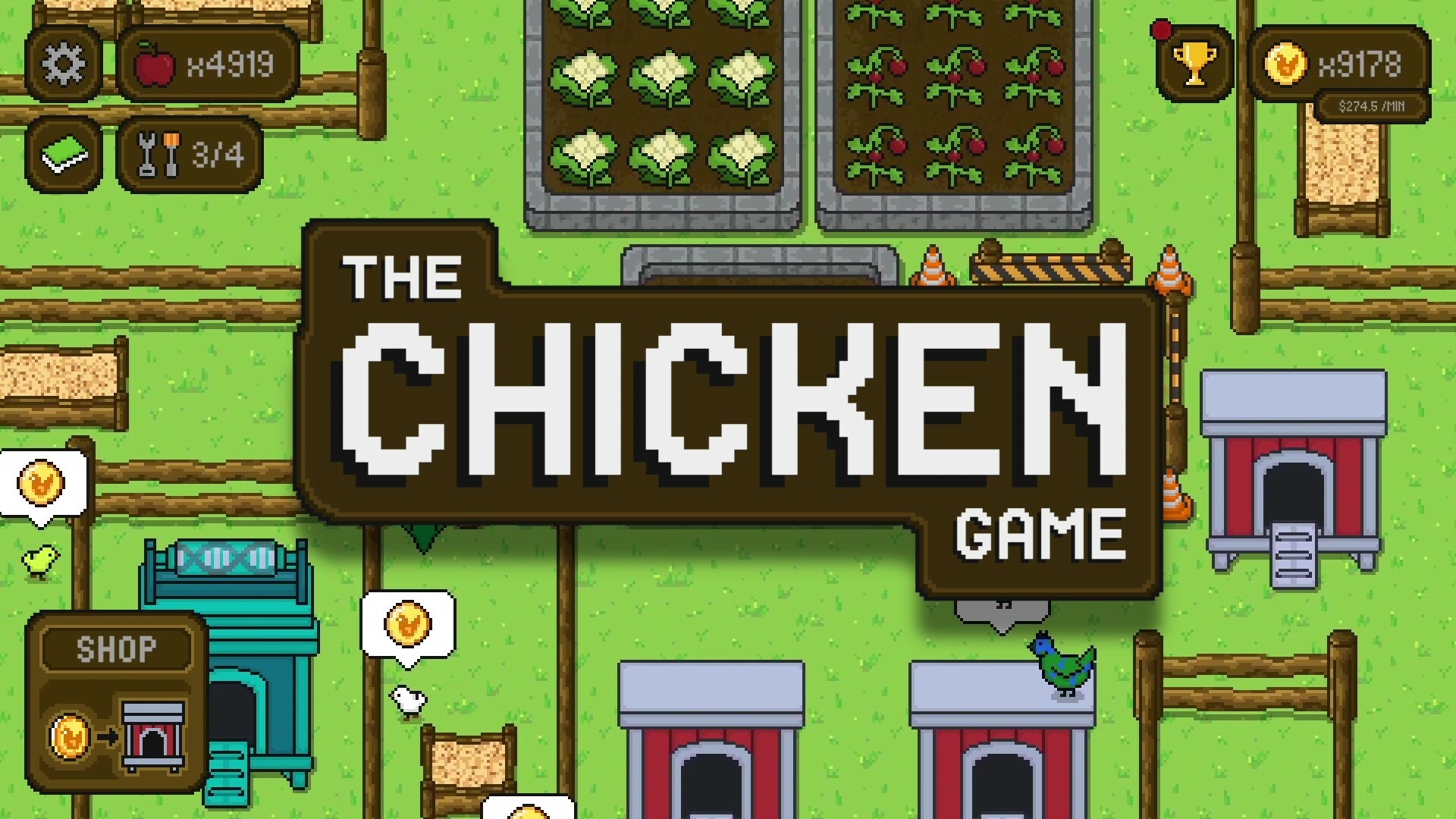

For relatives in the UK, navigating a loved one’s hospital stay is a task that mixes logistical planning with emotional support. Amidst this, a straightforward mobile game called Chicken Plus has assumed a role, offering patients a pleasant distraction and a piece of everyday life. Learning the visiting hours determined by NHS and private hospitals is the first step for any visitor. This article examines how old-fashioned visiting and new-fashioned digital support, through apps like Chicken Plus, can function together. We’ll cover how families can integrate both methods to lift a patient’s spirits, organize their own time productively, and still respect the key rules hospitals have in place.
Understanding Standard UK Hospital Visiting Policies

If you intend a hospital visit in the UK, your initial step should be the particular rules of that hospital. NHS Trusts and private providers set their own rules, so you’ll find differences from place to place. The common thread is a need to balance a patient’s recovery with the clear benefits of seeing family and friends. You’ll generally see a window for general visiting, most often in the afternoons and early evenings, with restrictions on how many people can be at a bedside. These rules exist for good reason. They provide patients time to rest, let medical staff to work without constant interruption, and preserve the ward calm for everyone. Before you set off, always verify the hospital’s website or phone the ward. Policies may change, particularly during flu season or other busy periods.
That said, many hospitals now build in flexibility where a patient’s condition makes it possible. They acknowledge that family plays a crucial part in care. You might find more open access for parents on children’s wards, for birth partners in maternity units, or for those seeing someone receiving end-of-life care. This demonstrates the system working to accommodate to individual needs. The trick for visitors is to speak with the staff. A quick word with the nurse in charge can often show what’s possible. The core aim always remains static: to support healing. Adhering to the visiting schedule is a basic part of respectful support. It maintains the focus on recovery while still making space for connection.
The Place of Digital Entertainment in Healing Patients
Today, we know recovery involves more than physical mending. A patient’s mental state matters as much. This is where electronic amusement, via phones and tablets, has established a real place in patient care. Apps built for easy, light engagement, including the Chicken Plus game, provide a mental escape from the boundaries of a hospital room. A game that’s absorbing but not too demanding can shift focus from pain, worry, or the simple boredom of a long day in bed. For a patient, it’s a small way to take back some choice in a setting where they have very little, and that can truly improve their mood and outlook.
The benefit isn’t just a feeling. There’s a rationale to it. Sustained boredom and anxiety can raise stress hormones, which might actually slow physical healing. A game that provides a pleasant focus can lower those feelings, creating a better internal space for recovery. For patients who are bedridden, or who are in isolation, a digital window to another world is a lifeline. It encourages a sense of normal life and connection. Hospitals are catching on. Many now supply better Wi-Fi, and some even propose suitable apps in their patient information, acknowledging that digital tools are a useful partner to medical care and family support.
Mental Stimulation and Uplift
A stay in hospital can make your mind feel lethargic. A well-designed game provides the mental workout that’s often missing. Chicken Plus, with its engaging challenges, asks for just enough concentration to keep the brain ticking over without adding strain. This type of engagement helps maintain sharpness, which is especially vital during long admissions. On top of that, hitting a target in the game, however minor, can trigger a little dopamine surge, the brain’s reward chemical. That neurological signal leads to a real lift in mood. It provides moments of satisfaction that break the day into segments, giving patients small, positive targets to aim for.
Delivering a Sense of Regularity and Control
Life on a ward follows someone else’s schedule: medication times, observations, meal trays. This erosion of personal control is one of the hardest parts. Adding a self-chosen activity like a mobile game builds a personal routine back in. A patient might decide to play Chicken Plus every afternoon, or for a while after visitors leave. This simple act creates a personal ritual inside the hospital’s rigid schedule. It hands back a sliver of independence, which is powerful for spirit. It turns passive waiting into an active activity, making the day feel organized and personally meaningful. That shift can reduce feelings of dependency and encourage a more forward-looking approach to getting better.
Combining Chicken Plus Game Sessions with Physical Visits
In our digital world, “visiting” a patient can mean both being there in person and exchanging a digital experience. Families can incorporate the Chicken Plus game into their in-person visits in some creative ways. During a visit, the game can become a joint activity, a conversation starter, or a team project. You might aid with a tricky level, talk about tactics, or just view and chat about the gameplay. It’s a relaxed way to connect, particularly when conversation runs dry, and it shows you’re involved in how they’re occupying their days.
When you are absent, the game continues to function as a connection. Families can offer asynchronous support by discussing about it over text or phone calls. A message like, “I tried that level you’re stuck on and found a hidden bonus!” creates a common interest that goes beyond the hospital. It preserves a thread of connection running and gives the patient something non-medical to share and anticipate. This blended method stretches your support. It means that even when distance, work, or hospital rules restrict access, the channel for engagement persists. It assists the patient feel their social world is still whole, which is a consistent comfort.
Organizing Your Trip: Scheduling and Manners
A great hospital visit begins with good planning https://chickenplus.eu/. Step one should always be to confirm the visiting hours for the particular ward, online or by phone. Then, consider the patient’s individual schedule. Try to steer clear of times immediately following a procedure or during regular therapy. Working around these shows consideration for their recovery. Also, be honest about your personal health. Never visit if you’re not feeling well, even with a minor sniffle. You could risk spreading illness to vulnerable patients. A small amount of preparation makes a big difference—taking a portable charger so the patient can continue playing Chicken Plus, for example, is a thoughtful touch.
Your actions during the visit counts too. Your primary job is to be a helpful, calm presence. Observe the patient’s energy; sometimes sharing a quiet moment is more beneficial than endless conversation. Follow all the ward rules on noise, phone use, and visitor numbers. Be conscious of the patient’s neighbors and lower your voice. And while sharing a game can be great, don’t let it dominate. It must not become another burden on the patient. The focus must stay on human connection. Digital fun is just a tool to enhance the comfort that stems from having someone you love sitting beside you.
Special Considerations concerning Different Ward Types
Not all hospital departments are identical, and neither are their visiting rules or the place for digital games. In intensive care or high-dependency units, visiting is tightly controlled. You might only have short, quiet slots for immediate family. Here, the patient may be too unwell for a game, but a relative could use a device to play soft music or show photos. On the other hand, in a rehabilitation ward or a general surgical ward, patients often have more downtime and capacity. An app like Chicken Plus can be an ideal companion between physio sessions and visits.
Children’s wards usually have the most adaptable policies, commonly letting parents stay around the clock. Here, digital games are a mainstay for entertainment and a touch of normality. In mental health units, technology use is often part of a managed care plan, and approved apps that encourage calm focus can be helpful. On maternity wards, partners typically have open access, and a light game can be a distraction during early labour or a shared activity after the birth. The takeaway is to understand the environment you’re entering. Always ask the nursing staff what’s suitable. This makes sure your help fits the specific clinical and emotional needs of the patient in that particular ward.
The way Chicken Plus Game Fits into a Comprehensive Support Approach
Effective support for a hospital patient is like a jigsaw puzzle. It requires several pieces to fill in the picture: medical, emotional, and practical. The Chicken Plus game is just one of those pieces. Its job is to provide emotional and cognitive support through distraction, which in turn aids medical recovery by boosting morale. It operates alongside the other pieces: the clinical care from staff, the emotional anchor of family visits, decent nutrition, and the comfort of familiar belongings from home. Regarding the game this way prevents it from being dismissed as simply a time-waster. It becomes a legitimate tool for building a positive mindset.
A integrated approach is about coordination. Family could talk with the patient about how they employ the game, making sure the tablet is charged and within reach. They can then arrange their physical visits to align—perhaps teaming up on a game challenge together, or chatting about progress later. This combination makes the patient feel supported on all fronts. It also provides the patient an easy tool to manage boredom and anxiety themselves. In the end, the combination of good medical treatment, caring human contact, and personal activities like gaming establishes a stronger support system. It handles the complicated reality of getting better and can make the hospital experience feel more manageable and less daunting.
Communicating with Hospital Staff About Patient Activities
If you’re thinking of introducing something new to a patient’s day, for example a digital game, a chat with the nursing staff is a smart move. They possess the full picture: the patient’s clinical progress, their energy highs and lows, and their therapy timetable. Consulting the nurse in charge for their thoughts can give useful guidance. They might recommend the best times for screen use based on medication cycles or when the patient is most alert. This teamwork guarantees the game supports the clinical plan instead of working against it. It also demonstrates the staff you intend to be a cooperative part of the care team.
Staff can also fill you in on practicalities. They’ll know the policy on headphones to avoid disturbing others, where the free charging sockets are, and any restrictions on devices in certain areas. Sometimes, especially with older patients or those with specific conditions, nurses might observe the game is giving a real mood boost. That observation can inform their overall assessment of the patient’s wellbeing. By keeping the healthcare team in the loop and treating them as partners, you build a cooperative relationship. This alignment of clinical care, family support, and personal recreation creates a more cohesive environment, all focused on the patient’s journey toward health.
Assistance networks and Support groups for Relatives and Visitors
Caring for someone in hospital is draining. Relatives need to look after themselves, too. Luckily, many UK hospitals have resources for visitors, often run by charities like the Friends of the Hospital charity or patient advocacy groups. These can deliver practical tips, sometimes featuring quiet rooms or guides to local lodging for those traveling a distance. National charities dedicated to specific illnesses are another vital asset. Their online portals, forums, and helplines let relatives connect with others in the same situation, share tales, and get emotional backing. This support is essential for keeping a family functioning through a stressful phase.
Don’t ignore digital tools. The hospital’s own website is your primary source for official visiting time updates and ward phone digits. Furthermore, online communities provide informal backing. Just bear in mind to depend on official sources for medical advice. For suggestions on boosting patient morale and daily life in hospital, blogs and forums can be goldmines. You’ll often discover recommendations for apps and entertainment, like Chicken Plus, that have helped other folks. Ensuring visitors are up-to-date and assisted lets them be more present and patient at the patient’s side. A family that is knowledgeable, refreshed, and emotionally balanced is simply better at offering the kind of steady encouragement a patient needs all through their healing.
Frequently Asked Questions
Is playing the Chicken Plus game really help with a patient’s healing?
It can definitely aid as a complementary activity. The game is not medication, but it delivers mental stimulation and a distraction. This can decrease feelings of anxiety and boredom, and an elevated mood can support the body’s natural healing by lowering stress. It offers patients a bit of structure and autonomy, rendering a long hospital confinement feel less dull and more tolerable.
Do there exist specific visiting hours for children’s wards in UK hospitals?
Policies for children’s wards are generally much more flexible for parents. Ordinarily, parents or primary carers may visit anytime and often stay overnight. For siblings and other young callers, the standard visiting hours normally apply. But you need to confirm with the specific paediatric unit for their policies. These differ between NHS Trusts and can shift during infection epidemics to safeguard the children.
What is the best course if the hospital’s published visiting hours are inconvenient for me?
Your first action is to contact the ward and talk to the nurse in charge. Explain your case in a calm fashion. For close family, there is commonly some room for negotiation if it doesn’t interfere with clinical care. Attempt to propose a alternative, like a shorter call at a different slot. Staying polite and indicating you understand the ward’s pressures makes it more likely you’ll discover a compromise that works.
How do I guarantee my use of a mobile game like Chicken Plus during a visit is not intrusive?
Always employ headphones for any game sound. Set your screen brightness moderate and be aware of the shared area around you. Importantly, involve the patient—make it something you do together, not something you do while you’re there. Place conversation and bonding foremost, employing the game as a way to interact, not an alternative to interaction. And be willing to cease right away if medical staff need to attend to the patient or their neighbour.